
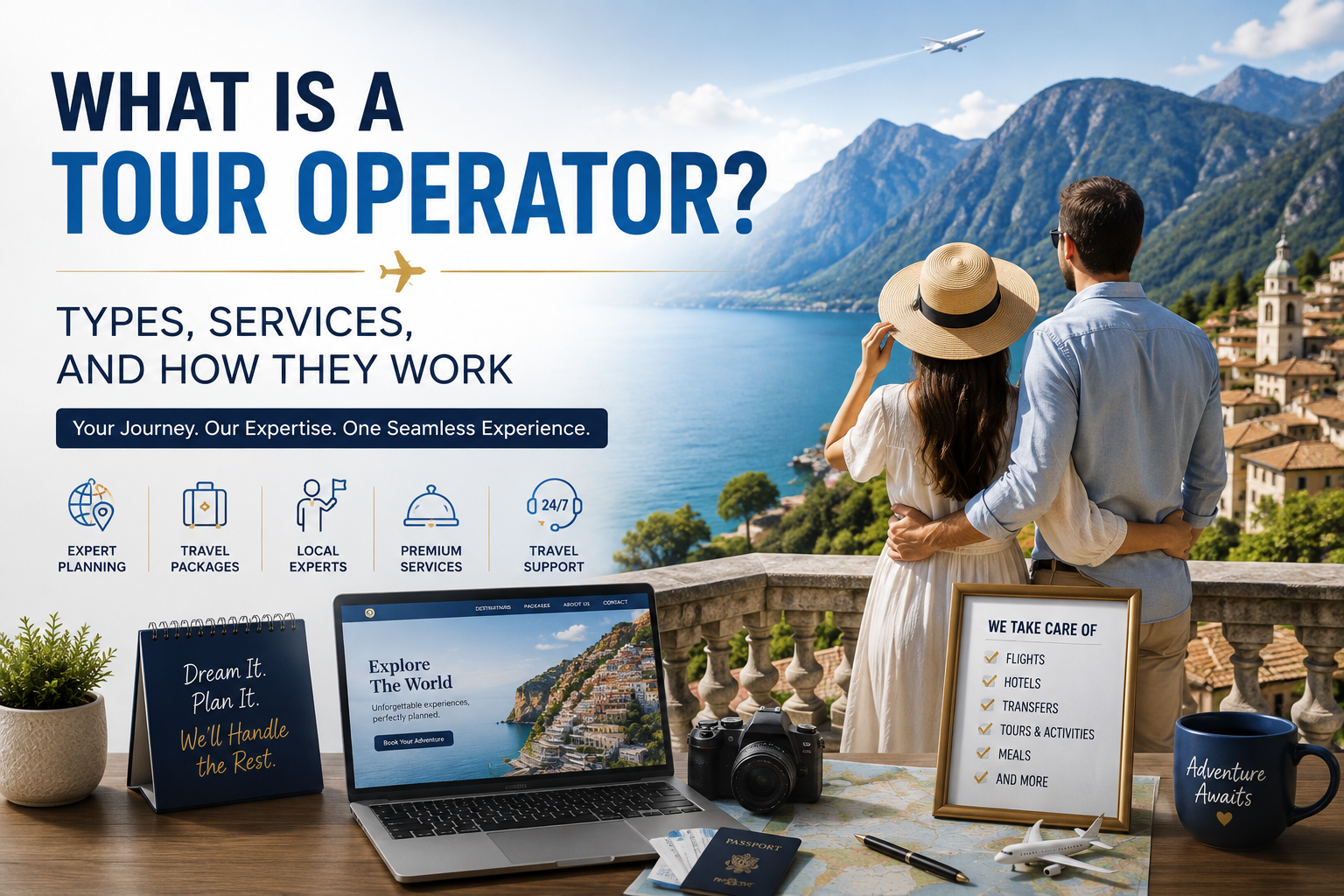
What Is a Tour Operator? Types, Services, and How They Work in the USA
Planning a trip can seem easy until flights, hotels, transfers, tours, meals, and local transportation all need to fit together. A tour operator handles that coordination by building complete travel packages and managing the details behind them. For travelers in the USA, this can mean less research, fewer separate bookings, and one company responsible for keeping the trip organized.
What Is a Tour Operator?
A tour operator is a company or travel professional that designs, organizes, and sells packaged trips. The package may include lodging, transportation, sightseeing, guides, meals, attraction tickets, and other services.
Unlike a business that only books a hotel or flight, the operator creates the overall experience. It chooses suppliers, negotiates rates, develops an itinerary, calculates the package price, and coordinates the services included in the booking.
Some sell directly to travelers, while others create packages that travel agencies resell.
How Does a Tour Operator Work?
The process normally starts with destination research. The company studies traveler demand, seasonal conditions, accommodation options, transportation, attractions, and local costs. It then selects suppliers and negotiates prices.
Next, the itinerary is organized day by day. A one-week vacation might include airport pickup, hotel stays, guided tours, restaurant reservations, activities, and free time. Once the package is ready, the company promotes it at a fixed or starting price.
After a traveler books, the tour operator confirms reservations, provides travel documents, coordinates suppliers, and offers support. If bad weather cancels an activity or a hotel becomes unavailable, the company may arrange a replacement.
Main Types of Travel Organizers
Different operators serve different markets. Understanding the main types can help travelers choose a company with the right experience.
Inbound Operators
Inbound operators arrange trips for international visitors. In the United States, they may build itineraries around New York City, California, Florida, national parks, or multi-state routes. Their local knowledge helps with transportation, attractions, guides, and regional logistics.
Outbound Operators
Outbound operators organize international travel for Americans visiting destinations such as Italy, Japan, Mexico, or South Africa. Packages may include flights, hotels, transfers, sightseeing, destination support, and practical guidance about entry rules or insurance.
Domestic Operators
Domestic operators focus on trips within the United States. They may offer escorted tours, road trips, rail journeys, theme park vacations, or cultural experiences.
A domestic specialist might focus on Alaska, New England fall foliage, Southern music destinations, or national park adventures. Expert coordination is still helpful, even when travelers remain inside the country.
Specialist Operators
Specialist operators serve a particular interest or traveler group, such as adventure travel, wildlife tours, wellness retreats, sports trips, or accessible vacations. Their advantage is focused expertise in details such as permits, equipment, conditions, and safety.
Services Offered by Luxury Travel Companies
Many luxury travel companies provide more than standard reservations. They create personalized trips centered on comfort, privacy, convenience, and special access.
Services may include private transfers, premium hotel suites, personal guides, yacht charters, exclusive dining, and customized daily schedules. Some arrange honeymoons, milestone celebrations, private family trips, and multigenerational vacations.
The best luxury travel companies take time to understand the traveler. They may ask about preferred hotels, room style, dietary needs, pace, interests, and previous trips before developing an itinerary.
How Luxury Travel Companies Create Custom Itineraries
Rather than beginning with a fixed package, luxury travel companies often start with a detailed consultation. A travel designer learns the client’s budget, schedule, priorities, and expectations.
The itinerary is then built around those preferences. One traveler may want art museums, food experiences, and boutique hotels. Another may prefer privacy, outdoor activities, and plenty of unplanned time.
Established firms also rely on supplier relationships. Those connections may help them arrange upgrades, welcome amenities, experienced guides, or access to experiences that are difficult to book independently.
Tour Operator vs. Travel Agent
The roles are connected, but they are not identical. A travel agent usually sells products created by airlines, hotels, cruise lines, resorts, and operators. The agent helps customers compare choices and complete reservations.
The package creator manages the trip. It selects suppliers, designs the itinerary, sets the package price, and coordinates the included services.
Some businesses perform both roles by creating their own packages and selling them directly. Travelers should ask who controls the itinerary and who will handle problems during the trip.
Benefits of Booking a Packaged Trip
Convenience is the biggest advantage. Instead of managing several reservations and confirmation numbers, travelers can book multiple services through one provider.
There may also be financial value because operators often negotiate group or wholesale rates. A package is not always cheaper, but it may include services that cost more separately. On international or multi-city trips, one contact who understands the full itinerary can also save time when plans change.
Are Luxury Travel Companies Worth the Cost?
For some travelers, the higher price is worthwhile because it reduces planning time and provides more personalized support. These services can be especially useful for complex itineraries, special occasions, and destinations where local connections matter.
Premium pricing, however, does not guarantee a perfect experience. Ask what is included, how changes are handled, and which payments are refundable.
Reliable firms should explain planning fees, supplier charges, cancellation rules, and service costs clearly. Good communication is more important than an impressive-looking proposal.
How to Choose the Right Travel Company
Start by checking whether the company has experience with your destination and travel style. A provider known for large bus tours may not be the right fit for a private honeymoon.
Request a written itinerary listing hotels, transportation, activities, meals, and exclusions. Review cancellation terms, confirm who provides assistance, and ask whether support is available outside normal US business hours.
Final Thoughts
A travel organizer brings separate services together into one coordinated plan. That can save time, reduce confusion, and give travelers access to organized support and destination knowledge.
Independent booking may work well for a simple weekend trip. For group travel, international routes, special interests, or complicated vacations, professional planning can make the experience smoother.
Choose a company that understands your needs, explains costs clearly, and remains responsive when plans change.
FAQs
Does a tour package always include flights?
No. Some packages include airfare, while others cover only hotels, transfers, tours, and activities. Check the inclusions before paying.
How do luxury travel companies make money?
They may charge planning fees, earn supplier commissions, add a service margin, or use a combination of these methods.